






Performance
Solution Reports
Develops alternative compliance solutions to address NCC accessibility requirements where Deemed-to-Satisfy provisions cannot be met or are not the most appropriate pathway.
A CPTED Assessment is a Crime Prevention Through Environmental Design assessment that reviews how a space is planned, designed and managed to reduce opportunities for crime and improve how safe people feel when using it. CPTED considers how the built and natural environment can influence behaviour, movement, visibility, ownership and legitimate activity.
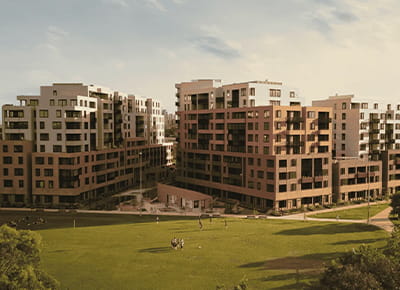
Access Studio prepares CPTED Assessments for residential developments, public realm projects, community facilities, education settings, commercial sites, mixed use developments, open spaces, car parks and other environments where safer design outcomes need to be considered.
A CPTED Assessment may review layout, lighting, sightlines, access points, landscaping, passive surveillance, territorial definition, activity patterns, concealment areas, maintenance, wayfinding and movement routes. The aim is to provide practical recommendations that support safety without creating an overly defensive or unwelcoming environment.
A CPTED Assessment may be required by a council, planning authority, developer, architect, project manager or asset owner as part of a planning submission, safer design review or risk management process. It is particularly relevant for developments with public access, shared spaces, after hours use, car parking, communal areas, laneways, open space or complex pedestrian movement.
Poorly considered environments can unintentionally create places that feel unsafe, are difficult to navigate, lack passive surveillance or encourage antisocial behaviour. A CPTED Assessment helps identify these risks early and provides design-based recommendations that can be integrated into the project.
When considered alongside accessibility and Universal Design, CPTED can support public and shared environments that are safer, more legible, more inclusive and more comfortable to use.
Our access consultants approach CPTED Assessments with a practical understanding of public use, accessibility, safety and design intent. We provide clear recommendations that help project teams create environments that feel safer, function better and remain welcoming for the people who use them.
Develops alternative compliance solutions to address NCC accessibility requirements where Deemed-to-Satisfy provisions cannot be met or are not the most appropriate pathway.
Reviews project documentation against relevant access requirements, identifying compliance risks and practical opportunities to improve accessibility and usability.
Delivers practical accessibility training and Continuing Professional Development presentations tailored to built environment professionals and project teams.
Provides independent verification that completed works align with applicable disability access requirements, approved documentation and relevant accessibility standards.
Reviews products through an accessibility and usability lens, identifying barriers and recommending practical design improvements for a wider range of users.
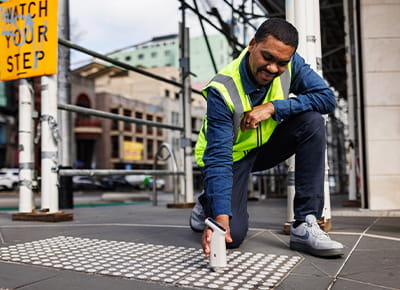
Assesses existing buildings, facilities and sites to identify access barriers, compliance issues and practical opportunities for improvement.
Provides accessibility advice to support planning submissions, addressing key access considerations relevant to the proposed development and approval pathway.
Develops practical strategies for managing accessibility across buildings, facilities, sites and operating environments.
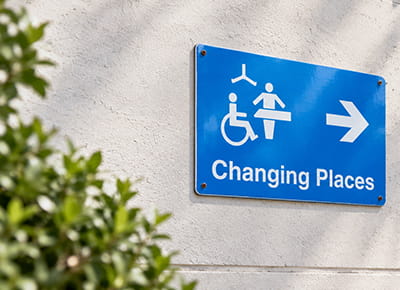
Assesses Changing Places facilities against relevant requirements, including layout, equipment, circulation and usability for people with complex support needs.
Assesses Specialist Disability Accommodation across all SDA design categories to support compliant, practical and appropriate housing outcomes.