



Performance
Solution Reports
Develops alternative compliance solutions to address NCC accessibility requirements where Deemed-to-Satisfy provisions cannot be met or are not the most appropriate pathway.
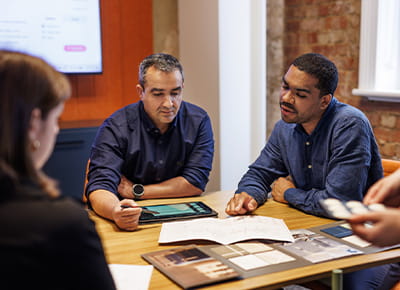
Access Studio delivers Continuing Professional Development, or CPD, presentations focused on accessibility, inclusive design and the built environment.
Our CPD presentations are designed for architects, building surveyors, developers, project managers, designers, builders and other built environment professionals who want to strengthen their understanding of disability access requirements and how they apply in practice.
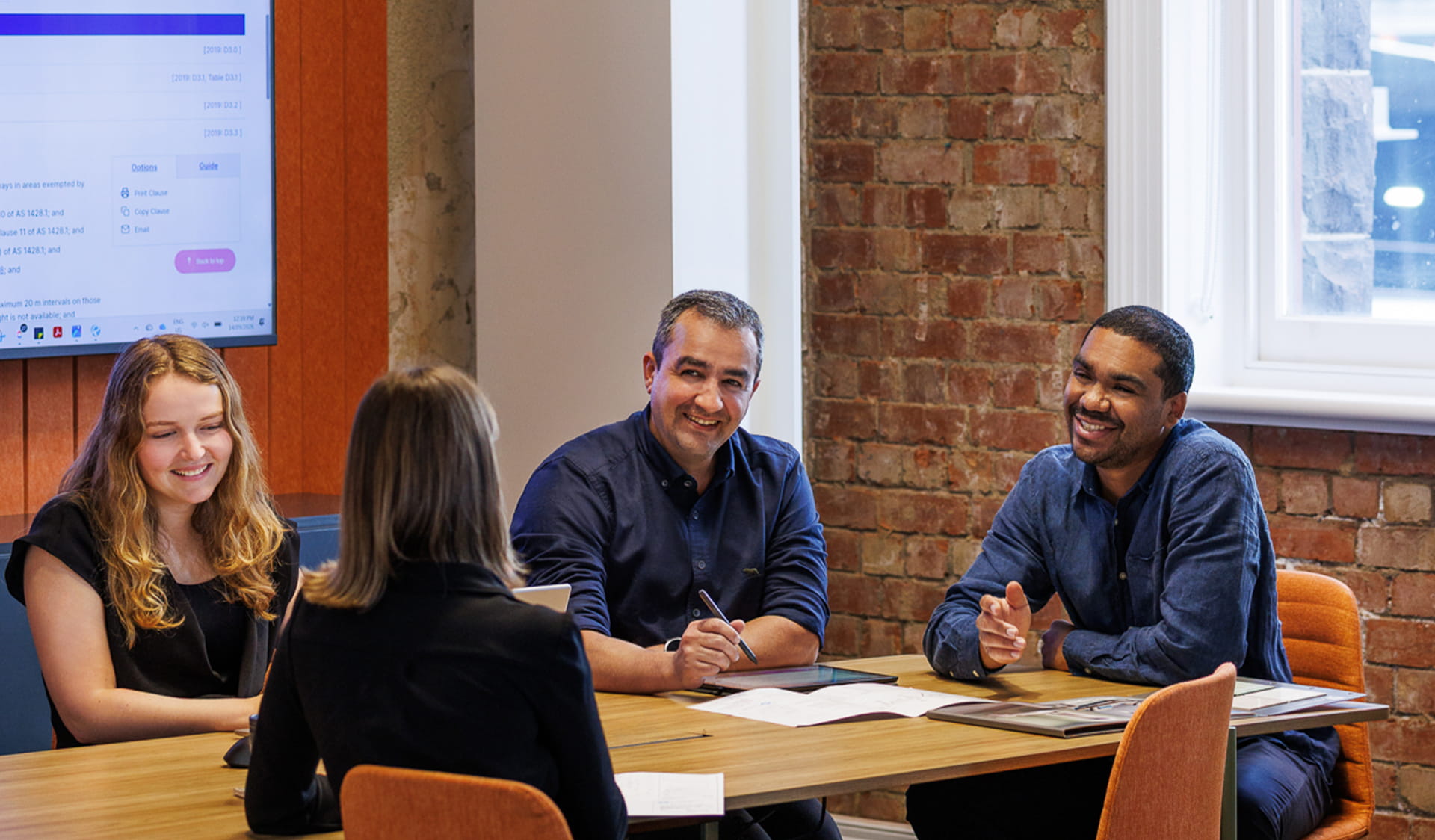
Our CPD sessions focus on the practical application of accessibility requirements in real projects. We use examples and common design issues to help participants understand how access requirements can be considered and addressed throughout the design and construction process.
Presentations are tailored to the specific needs of a particular organisation, project team or area of interest.
Accessibility requirements can be complex, particularly where the NCC, Premises Standards, Australian Standards, planning requirements and project-specific constraints interact.
CPD presentations provide project teams with an opportunity to build their technical knowledge, understand common accessibility issues and ask questions in a practical learning environment. They can also help organisations improve consistency across project teams and encourage accessibility to be considered earlier in the design process.
Access Studio delivers practical, engaging CPD presentations grounded in real project experience. We can provide established accessibility training or tailor a session to suit your organisation, helping project teams build confidence and apply accessibility requirements more effectively in their day-to-day work.
Develops alternative compliance solutions to address NCC accessibility requirements where Deemed-to-Satisfy provisions cannot be met or are not the most appropriate pathway.
Reviews project documentation against relevant access requirements, identifying compliance risks and practical opportunities to improve accessibility and usability.
Applies Crime Prevention Through Environmental Design principles to identify safety risks and recommend practical strategies for safer, more welcoming environments.
Provides independent verification that completed works align with applicable disability access requirements, approved documentation and relevant accessibility standards.
Reviews products through an accessibility and usability lens, identifying barriers and recommending practical design improvements for a wider range of users.
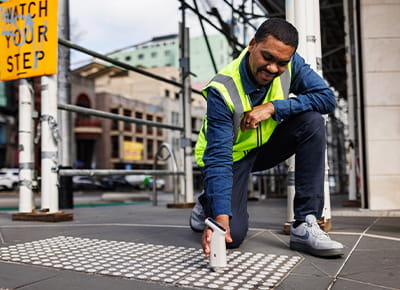
Assesses existing buildings, facilities and sites to identify access barriers, compliance issues and practical opportunities for improvement.
Provides accessibility advice to support planning submissions, addressing key access considerations relevant to the proposed development and approval pathway.
Develops practical strategies for managing accessibility across buildings, facilities, sites and operating environments.
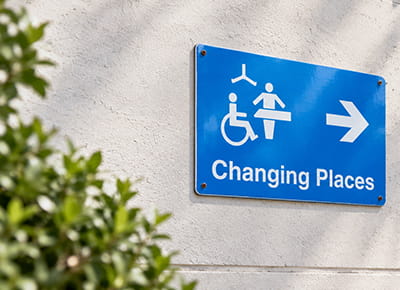
Assesses Changing Places facilities against relevant requirements, including layout, equipment, circulation and usability for people with complex support needs.
Assesses Specialist Disability Accommodation across all SDA design categories to support compliant, practical and appropriate housing outcomes.